
Renodevs team · 1 min read ·

Many growing businesses run on spreadsheets, chat messages and a few separate apps. That works for a while. At some point, the effort of keeping everything in sync starts to cost real time and money.
Signs it is time to look at an ERP
- The same data is typed into two or more places.
- Stock counts in the system and on the shelf rarely match.
- Month-end reports take days because numbers come from different files.
- Only one person understands how the main spreadsheet works.
- Sales, purchasing and accounts disagree about the same order.
What an ERP actually does
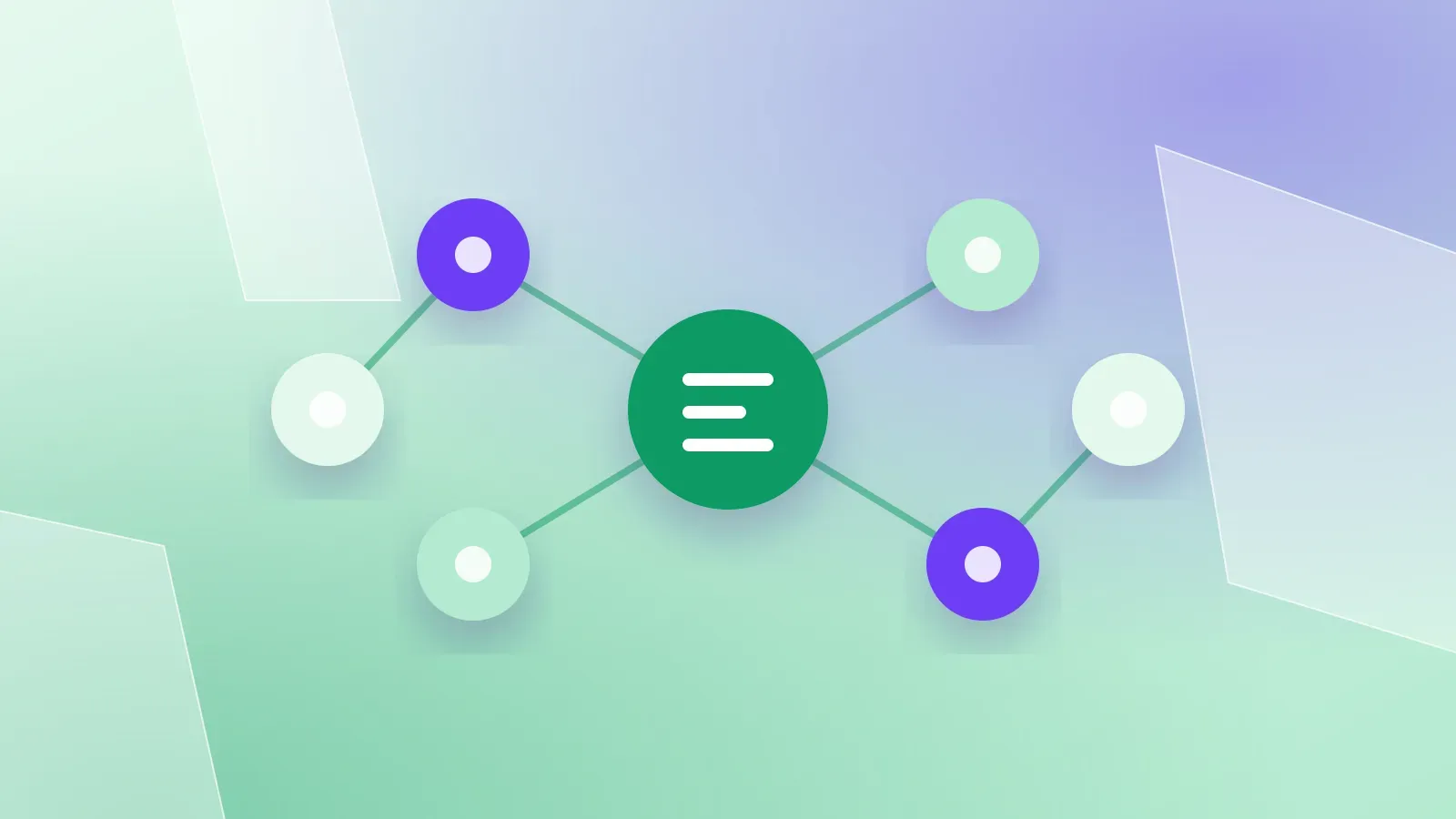
An ERP connects core functions such as sales, purchasing, inventory, accounting and HR so they share one set of data. When an order is placed, stock, invoicing and reporting update together.
Off-the-shelf or custom?
Established products cover common needs well and are quicker to start. Custom or tailored systems fit unusual processes and avoid paying for features you never use. A staged approach often works best: start with the module that hurts most, such as inventory or sales, then add others.
Before you decide
- Map your current process on one page, including the workarounds.
- List the three problems you most want solved.
- Ask vendors for a demo using your real scenarios.
- Plan for data migration and staff training, not just the software.
If you want help judging whether a system would pay off for your business, we can walk through your process with you and tell you honestly if it is worth it.